
How to Choose a Safe and Licensed Bitcoin Casino in 2026: A U.S. Player's Guide to Regulation, Security, and Responsible Gambling
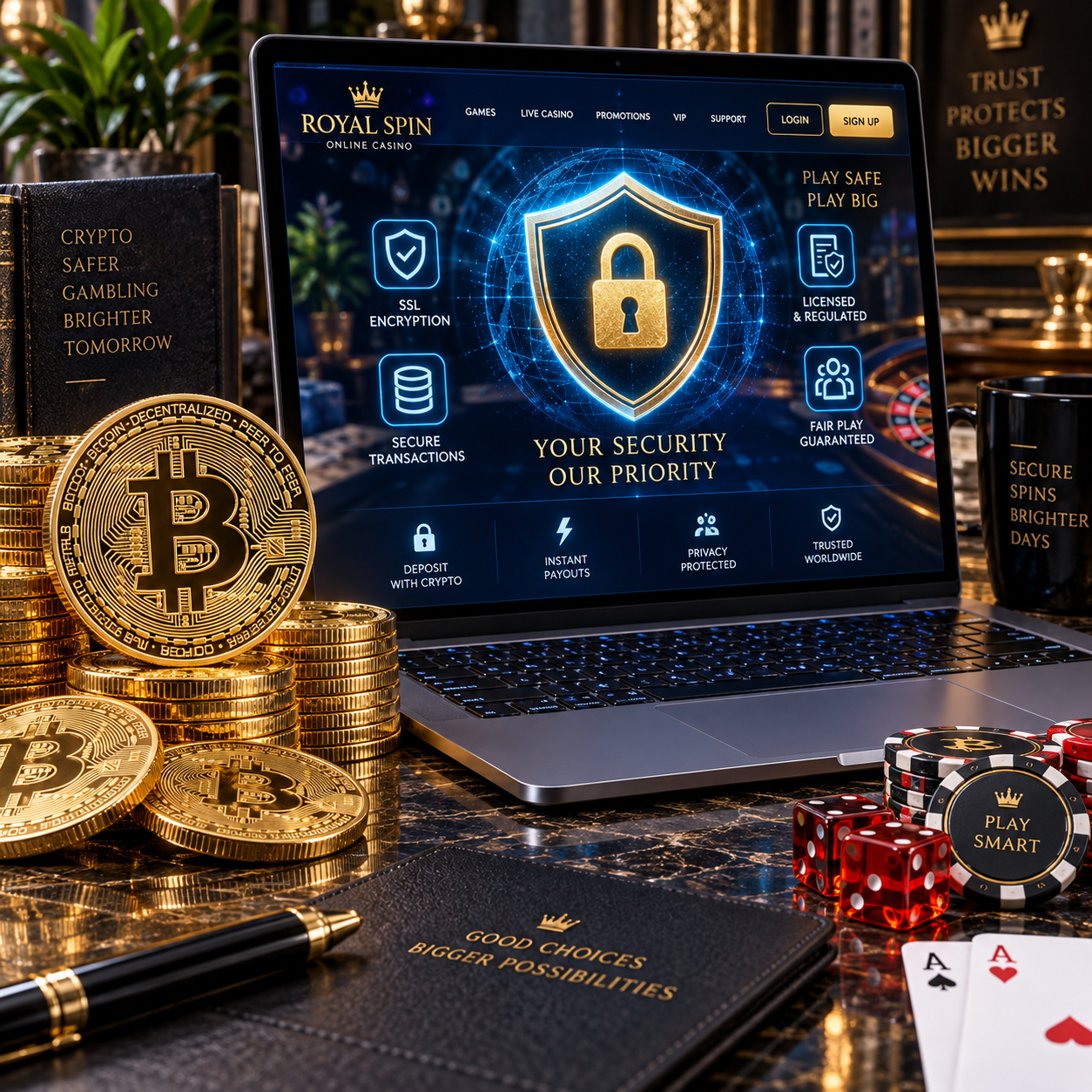
I've spent a good chunk of the past year digging into the crypto gambling scene — mostly because so many friends kept asking me the same question, over and over: is it actually safe to play at a bitcoin casino? Honest answer? It depends entirely on which one you pick. In 2026, bitcoin casinos have exploded in popularity among U.S. players, largely thanks to near-instant transactions and a level of privacy you just don't get with a traditional bank-linked account. But here's the catch: that same speed and anonymity that makes crypto gambling so appealing also makes it a magnet for shady operators looking to disappear with your funds. This guide walks through exactly what I look for, every single time, before trusting any platform with my money.
What Makes a Bitcoin Casino Different from Traditional Online Casinos
At its core, a bitcoin casino swaps out credit cards and bank transfers for cryptocurrency wallets. Deposits and withdrawals move on the blockchain, which means transactions are transparent and verifiable — yet the personal information tied to them stays minimal. Compared to fiat platforms, crypto casinos tend to process withdrawals in minutes rather than days. Fees, too, are often a fraction of what traditional payment processors charge. That's not marketing fluff; it's just how the tech works.
Key Features to Expect
Legitimate crypto casinos usually offer provably fair gaming — a cryptographic method that lets you verify a game's outcome wasn't rigged after the fact. You'll also find wallet integration that actually works, letting you connect a hardware or software wallet directly, plus payouts that clear almost as fast as you can hit 'confirm.' No waiting three business days for your money to show up.
Common Risks Unique to Crypto Gambling
Volatility is the elephant in the room. A deposit worth $100 today could be worth $85 or $130 tomorrow, depending on market swings — and there's nothing you can do about that once it's in play. Add to that the irreversible nature of blockchain transactions (there's no chargeback if you send funds to the wrong address, and no recourse if an operator disappears overnight) and you start to see why the crypto gambling space has attracted its fair share of unlicensed, fly-by-night platforms. It's the wild west in some corners. Still is.
Understanding Licensing and Regulation in the U.S. Market
U.S. gambling law is a patchwork, plain and simple. Some states permit regulated online gambling outright, others ban it entirely, and a lot fall into a gray zone when it comes to crypto-specific betting. Because of this fragmented landscape, most bitcoin casinos accepting American players operate under offshore licenses — Curaçao, Malta, and Kahnawake are the most common names you'll run into. These jurisdictions aren't inherently bad. But 'licensed' doesn't automatically mean 'safe.' It just means the operator met a baseline set of requirements from that specific regulator, and that bar can vary wildly depending on who's enforcing it.
How to Verify a License
Before depositing a single satoshi, I always look up the license number listed in the casino's footer and cross-reference it directly on the regulator's public database — not just trust whatever badge is displayed on the site, because badges can be copied. I also check that the registered business name actually matches what's on the license, since some operators borrow legitimacy by slapping on logos they're not authorized to use at all.
Security Standards Every Safe Bitcoin Casino Should Meet
Beyond licensing, technical security matters just as much — maybe more, honestly. A trustworthy platform will run SSL encryption across its entire site, offer two-factor authentication for account logins, and store the majority of crypto reserves in cold wallets rather than exposed hot wallets. Independent third-party audits of random number generators are another must. This is what confirms the games aren't secretly weighted against you.
Red Flags That Signal an Unsafe Platform
Some warning signs are almost universal across scam operations, and once you've seen a few, the pattern gets easy to spot. Watch for missing or vague terms of service, no clear information about who owns or operates the site, and customer support that goes silent the moment you ask direct questions about withdrawal limits or licensing. If a 'live chat' agent can't answer basic regulatory questions — that's a bad sign. Full stop.
Evaluating Trustworthiness Before You Deposit
Due diligence doesn't stop at licensing checks. I make a habit of reading independent player reviews on forums that aren't affiliated with the casino itself, checking payout histories where other users report actual withdrawal experiences (not the ones the casino cherry-picks for its homepage), and even testing customer service with a few questions before committing real funds. It's also worth consulting external consumer-protection and awareness resources when researching any bitcoin casino, since organizations focused on player protection often maintain unbiased information about platform legitimacy that you simply won't find on the casino's own marketing pages.
Responsible Gambling Practices for Crypto Players
Crypto gambling moves fast, and that pace can make it easy to lose track of how much you're actually spending. This is exactly why responsible gambling tools matter more here than on slower, fiat-based platforms. Deposit limits, self-exclusion options, and session timers should be non-negotiable features on any casino you consider — not a nice-to-have buried in a settings menu somewhere. U.S. players also have access to resources like the National Council on Problem Gambling, alongside broader public-awareness organizations dedicated to consumer protection in gambling spaces.
Setting Personal Limits with Cryptocurrency
Because Bitcoin's value shifts constantly, I've found it helpful to think in fixed-dollar equivalents rather than raw BTC amounts. Some players use stablecoins specifically to sidestep volatility when budgeting a gambling session — it's a small trick, but it works. Whatever method you choose, decide your spending cap in dollar terms before you ever fund a wallet. Not after. Before.
Step-by-Step Checklist for Choosing a Safe Bitcoin Casino in 2026
- Verify the casino's license number directly through the issuing regulator's database
- Confirm SSL encryption, 2FA, and cold wallet storage are in place
- Look for third-party audited random number generators and provably fair systems
- Research independent reviews and real payout histories
- Test customer support responsiveness before depositing
- Enable deposit limits, self-exclusion, and session timers from day one
Conclusion
Bitcoin casinos offer genuine advantages — speed, lower fees, and a degree of privacy that traditional platforms just can't match. But none of that matters if the site itself isn't legitimate. Safety in this space comes down to your own diligence: checking licenses against real regulatory databases, confirming security certifications, and making sure responsible gambling tools are actually available and enabled, not just mentioned in the fine print. Treat every deposit like a financial decision, because that's exactly what it is. And prioritize platforms that are transparent about regulation, security, and player protection above everything else. That part isn't negotiable.