
How to Gamble Responsibly in 2026: Setting Limits, Recognizing Warning Signs, and Finding Support When Playing at the Best Crypto Casinos

I've watched online gambling shift a lot over the past few years, and 2026 feels like an actual turning point — not just another incremental update. Crypto casinos have exploded because they're fast, borderless, and often feel more private than the old-school platforms. But that same speed and privacy is exactly why responsible habits matter more now, not less. If you're playing with Bitcoin, Ethereum, or whatever coin you've picked up, your self-control needs to be sharper than it was back in the credit-card-and-bank-statement era.
What Responsible Gambling Really Means in the Crypto Era
Responsible gambling isn't some compliance buzzword casinos slap in a footer. It's a practical mindset — treat gambling as entertainment with a fixed cost, not a financial strategy, and definitely not an emotional escape hatch. That definition hasn't changed in the crypto era. The environment around it has, though.
Transactions settle in seconds. No bank is calling to flag weird activity. You can play at 3 a.m. and nobody notices you've been at it for six straight hours.
Why Crypto Casinos Require Extra Vigilance
Traditional online casinos have payment processors and banks that act as a speed bump — imperfect, sure, but still there. Crypto removes that friction entirely. Add in the volatility of digital assets, where your bankroll's value can shift 10% in an hour without you placing a single bet, and separating gambling losses from market losses gets genuinely hard.
That confusion is dangerous. It lets people rationalize bigger losses as 'just the market' instead of facing what's actually happening.
Setting Limits Before You Place a Single Bet
The single most effective habit I recommend to anyone starting out: set limits before you log in. Not after a losing streak. Not when things already feel out of control. Before. Decide on a deposit limit, a loss limit, and a time limit for each session — and write them down somewhere you'll actually see again.
- Deposit limit: the maximum crypto you're willing to move into a casino account in a week or month.
- Loss limit: the point where you walk away, regardless of how 'close' you feel to winning it back.
- Time limit: a hard stop on session length, ideally with an alarm — not just a mental note you'll forget by minute twenty.
Using Built-In Platform Tools
Most reputable crypto casinos in 2026 offer self-exclusion periods, deposit caps, and mandatory cool-down windows. These only work if you actually use them, though. I'd set a deposit cap the moment you create an account, even if it feels unnecessary at the time. It's a lot easier to raise a limit later than to impose one in the middle of a bad night.
Recognizing the Early Warning Signs
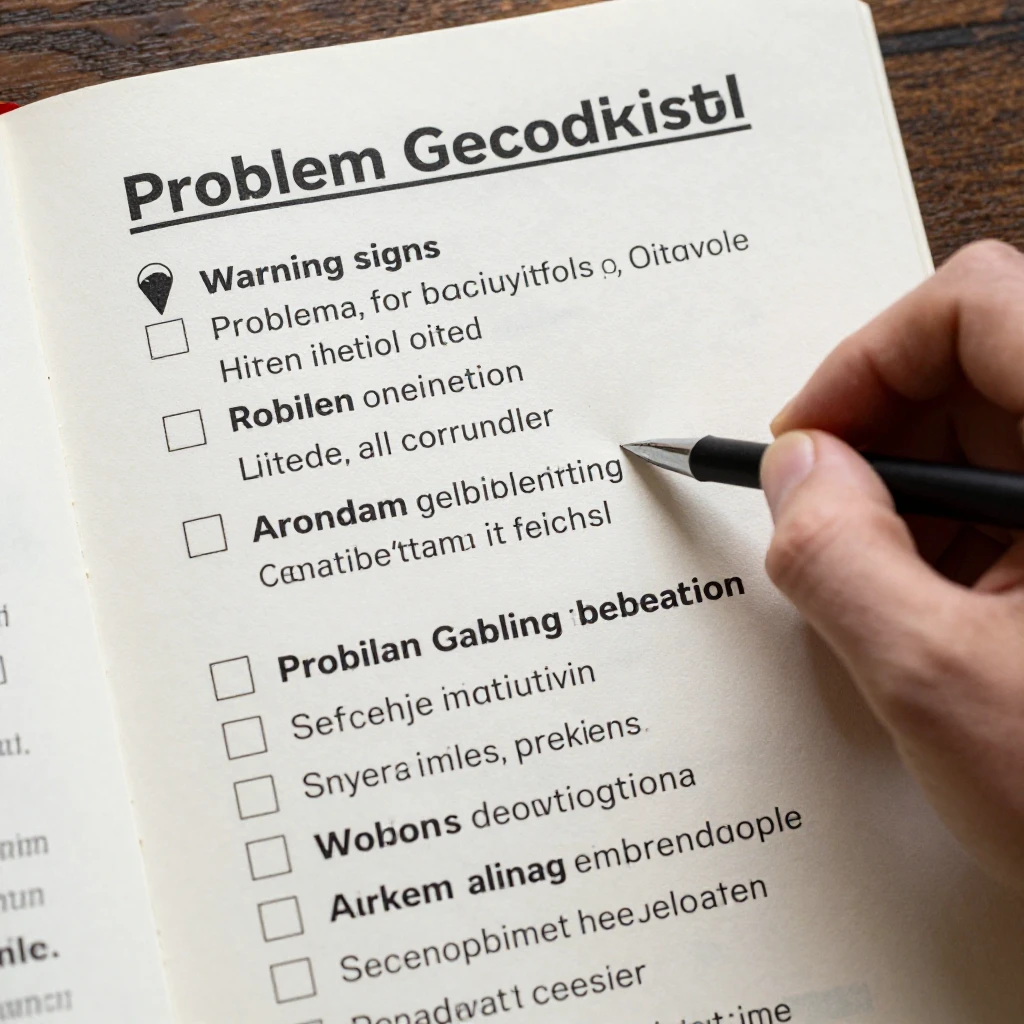
Problem gambling rarely announces itself with a bang. It creeps in through small shifts that are easy to dismiss one at a time but add up fast. Some signs worth being honest with yourself about:
- Chasing losses by increasing bet sizes to 'win it back'
- Hiding wallet activity or gambling history from a partner or family
- Borrowing or transferring crypto specifically to keep playing after running out of funds
- Noticeable mood swings tied directly to wins and losses
- Gambling to escape stress, boredom, or anxiety rather than for enjoyment
The Difference Between Entertainment and Compulsion
Healthy recreational gambling looks like setting aside a known amount, enjoying it, and walking away — win or lose — without it wrecking your mood for the rest of the day. Compulsive gambling looks different: needing to play to feel normal, lying about how often you do it, feeling physically restless when you try to stop.
If your gambling starts dictating your emotional state outside the session itself, that's worth taking seriously.
Choosing Platforms That Prioritize Player Wellbeing
Not every crypto casino is built the same way. Some operators genuinely invest in transparent odds, verified licensing, and solid self-exclusion tools. Others lean hard into crypto's anonymity specifically because it lets them dodge accountability. Doing your homework before depositing a single coin matters here, maybe more than people realize.
I'd strongly recommend researching the best crypto casinos that pair fair play with real player protections, rather than chasing whatever bonus looks flashiest. Resources like coaching and support services can also help you figure out whether your current platform — and your own habits around it — actually line up with sustainable gambling practices, not just convenient ones.
Practical Tools and Daily Habits to Stay in Control
Abstract advice like 'gamble responsibly' doesn't do much on its own, honestly. What actually works is turning it into daily routines. A few habits I've seen make a real difference:
- Keep a separate wallet dedicated only to gambling funds, isolated from savings or investment holdings
- Schedule gambling-free days on your calendar, treated as non-negotiable
- Use a budgeting app or spreadsheet to log every deposit and withdrawal
- Set phone reminders for session time limits instead of relying on willpower alone
Budgeting with Crypto Volatility in Mind
Because crypto values move independently of your gambling outcomes, it's easy to lose track of what's actually happening. If your bankroll grows because the market pumped, that's not a gambling win — don't let it fund bigger bets. And if the market dips, don't chase losses trying to 'make up' value that was never tied to your play in the first place.
Keeping gambling funds in a stable, tracked wallet separate from your long-term holdings makes that distinction a lot easier to hold onto.
Finding Support When You Need It
Reaching out for help isn't a failure. It's one of the more mature decisions a person can make, honestly. There are helplines, peer support groups, financial counselors, and professional coaching services built specifically to deal with gambling-related stress — including the unique dynamics that come with crypto-based platforms.
When to Talk to a Professional
If you've tried self-imposed limits and keep breaking them, if gambling is affecting your relationships or finances, or if you just feel like you've lost the ability to say 'that's enough' — it's time to talk to someone trained to help. Therapy, structured coaching programs, and peer support groups each offer a different kind of accountability. There's no shame in needing that extra layer of structure.
Building a Sustainable Relationship with Online Gambling in 2026
Responsible gambling isn't a single decision you make once and forget about. It's a practice that gets rebuilt every time you log in. Setting limits before you play, staying honest about early warning signs, choosing platforms that genuinely protect their players, and knowing when to ask for support — all of it works together to keep gambling in its proper place: entertainment inside a balanced lifestyle, not a source of stress or financial harm.