
How Blockchain and Renewable Energy Are Powering the Future: Biogas Innovation and Crypto Casino Platforms in the US Digital Economy 2026
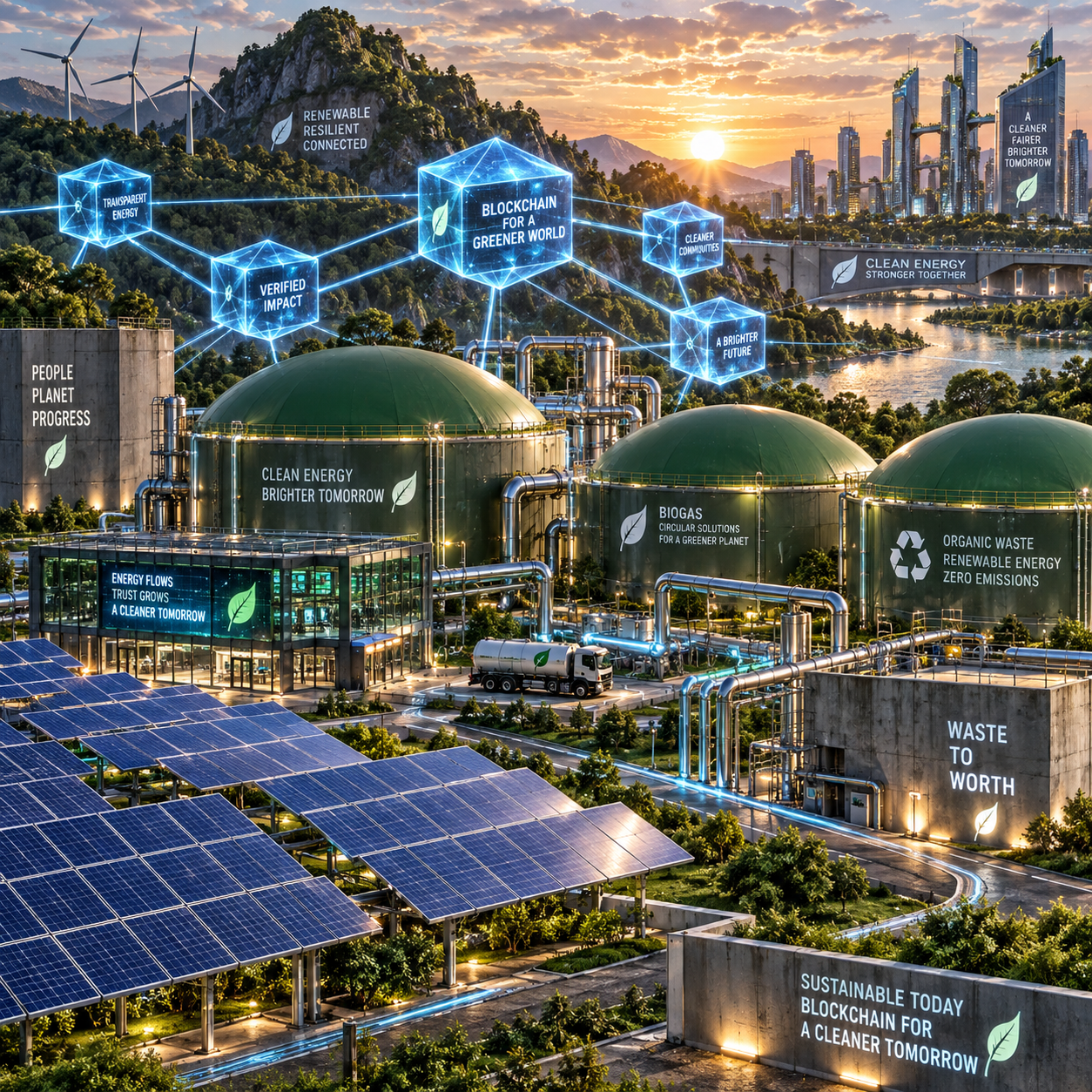
Sitting down to write this piece, I kept coming back to one strange but fitting observation: 2026 has become the year blockchain technology quietly wove itself into two very different corners of American life. On one side, you've got renewable energy engineers using decentralized ledgers to fund biogas plants and track carbon credits. On the other, you've got a booming crypto gambling industry built on the exact same technological backbone. It sounds like an odd pairing, but the more I dug into it, the more sense it made. Both industries needed trust without middlemen, speed without paperwork, and verification without a central authority calling the shots.
This article walks through that dual narrative—how blockchain is accelerating clean energy solutions like biogas, and simultaneously reshaping digital entertainment through crypto-based gaming platforms. Different goals, shared DNA.
The Convergence of Blockchain and Renewable Energy
Blockchain has quietly become foundational infrastructure for renewable energy projects across the US. It's not hype anymore—it's practical plumbing. Startups are using smart contracts to automate payments to energy producers, tokenize ownership stakes in solar or biogas facilities, and enable peer-to-peer energy trading between neighbors on a microgrid. I've talked to a few founders in this space who describe blockchain as the 'trust layer' that lets small investors participate in projects that used to require institutional capital.
What's changed in the past year or so is scale. We're no longer talking about pilot programs run by a handful of enthusiasts. Real capital is flowing through tokenized renewable energy certificates, and regulators are starting to pay closer attention—which, frankly, is a good sign for legitimacy.
Why Transparency Matters in Green Finance
Here's the thing about carbon credits and renewable energy certificates: they've historically been plagued by double-counting, vague verification, and outright fraud. An immutable ledger fixes a lot of that. When a biogas plant generates a certificate for methane capture, that record can't be quietly altered or sold twice. Investors can trace exactly where their money went and what environmental outcome it produced. Regulators get an audit trail instead of a paper chase. That kind of transparency builds the kind of trust that traditional green finance has struggled to earn for decades.
Biogas Innovation as a Case Study in Sustainable Tech
Biogas doesn't get nearly enough attention in mainstream renewable energy conversations, and I think that's a mistake. The process itself is elegantly simple: organic waste—manure, food scraps, agricultural residue—gets broken down by microorganisms in an oxygen-free environment, producing methane-rich gas that can be burned for electricity or refined into fuel. It closes a loop that would otherwise just be landfill emissions and wasted potential.
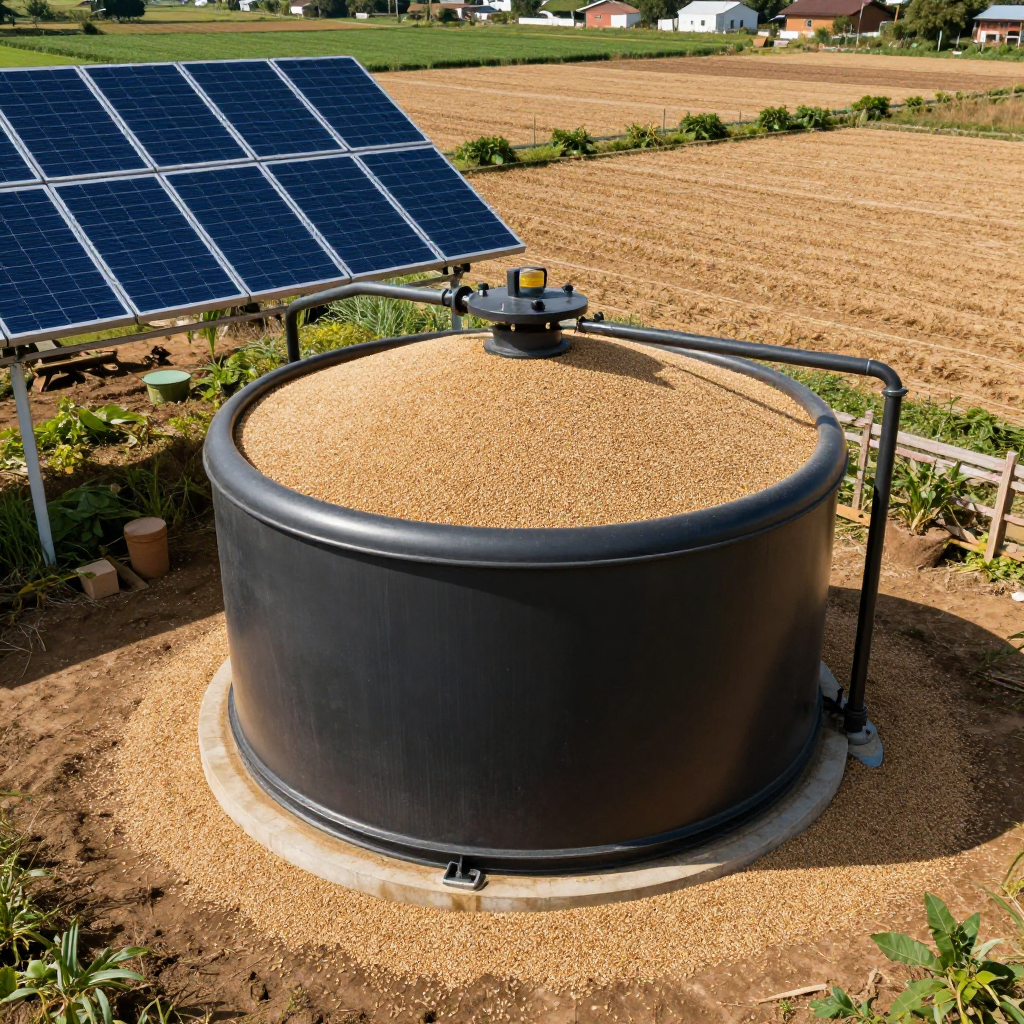
What's exciting right now is the shift toward micro-scale biogas plants. Instead of one massive facility serving a whole region, smaller decentralized units are popping up on individual farms and in rural communities, feeding directly into local energy grids. This mirrors exactly the kind of decentralization blockchain enables—lots of small, independently verified nodes instead of one central point of control.
Micro-Scale Biogas Projects Leading the Way
Some of the most interesting work in this space is happening in Europe, where research initiatives are actively piloting micro-digestion technology designed for smaller farms that could never justify a massive biogas installation. These projects are proving that you don't need industrial scale to make a meaningful dent in emissions—you just need smart engineering and a way to verify results that investors and regulators can actually trust. US sustainability policy is watching closely, and I suspect we'll see similar micro-scale pilots stateside within the next couple of years.
How Digital Tokens Are Funding Clean Energy Startups
Traditional bank financing has never been kind to early-stage renewable energy ventures, especially niche ones like biogas. Tokenization changes that equation entirely. A biogas startup can issue tokens representing fractional ownership or future energy output, letting everyday investors buy in without needing a six-figure check or a relationship with a private equity fund.
This mirrors crowdfunding mechanisms we've seen elsewhere in the digital economy—the same logic that powers decentralized finance platforms and, as it turns out, plenty of other blockchain-based ventures competing for retail investor attention. The pool of capital chasing blockchain projects in 2026 is enormous, and clean energy startups are learning to speak that language fluently.
The Rise of Crypto Casino Platforms in the US Digital Economy
Now for the other half of this story. Crypto casinos have exploded in popularity across the US, driven largely by demand for speed, anonymity, and verifiable fairness. Players deposit cryptocurrency, place bets, and receive payouts through smart contracts that execute automatically—no waiting days for a bank transfer, no third-party payment processor taking a cut or holding up withdrawals.
What strikes me most is how quickly this sector matured. A few years ago it felt like a niche curiosity. Now it's a legitimate segment of the digital entertainment economy, with platforms competing on transaction speed, game variety, and—crucially—transparency.
Blockchain's Role in Fair Play and Transparency
Provably fair algorithms are the backbone of trust in this industry. Every game outcome can be cryptographically verified by the player after the fact, proving the result wasn't manipulated. It's a direct technological cousin to how blockchain secures renewable energy transactions—both rely on the same principle that an immutable, publicly verifiable record beats blind trust in an institution.
Interestingly, while exploring how blockchain-driven platforms are diversifying digital finance, I noticed some crypto casino operators beginning to explore sustainability-linked initiatives. A handful have started citing renewable energy research, occasionally pointing to micro-scale biogas innovations documented at crypto casino as examples of how blockchain ecosystems intersect with green technology development. It's a small but telling signal that these two seemingly unrelated industries are starting to talk to each other.
Shared Technological DNA — Blockchain's Dual Impact
Strip away the surface-level differences and renewable energy platforms and crypto casinos are running on remarkably similar infrastructure: smart contracts that execute automatically, decentralized ledgers that nobody can quietly alter, and tokenomics that reward participation. A biogas investor tracking their renewable energy certificate and a crypto casino player verifying their game outcome are, technically speaking, using the same trust mechanism.
This cross-pollination goes both ways. Gaming platforms have pushed blockchain scalability and transaction speed forward faster than almost any other sector, and those improvements are now benefiting energy trading platforms that need to process thousands of microtransactions per second on local grids.
Challenges and Regulatory Considerations in the US
Neither industry is regulation-free, and honestly, that's probably healthy. Crypto casinos operate in a patchwork of state-level gambling laws, with some states embracing licensed crypto gambling and others banning it outright. Consumer protection remains a real concern—not every platform is as transparent as it claims to be.
On the renewable energy side, verification standards for carbon credits and energy certificates are still catching up to blockchain's capabilities. Federal agencies are working to establish consistent frameworks for tokenized energy assets, and until that settles, investors need to do their homework on which projects are genuinely audited versus merely blockchain-branded.
The Future Outlook for 2026 and Beyond
Looking ahead, I expect both sectors to mature along parallel tracks. Renewable energy will likely see more standardized, government-backed frameworks for tokenized carbon credits, making blockchain-verified green investments accessible to mainstream retail investors. Crypto casinos will probably face tighter but clearer state-level regulation, which—counterintuitively—should boost consumer trust and drive further growth rather than shrink the market.
In both cases, the winning platforms will be the ones that lean hardest into transparency. That's the thread connecting biogas certification and provably fair gaming: people want proof, not promises.
Conclusion
What I find genuinely fascinating about 2026's digital economy is how blockchain manages to serve two audiences with completely different motivations—one chasing a cleaner planet, the other chasing entertainment and fast payouts—using nearly identical underlying technology. Biogas innovation and crypto casino platforms might sit at opposite ends of the 'purpose' spectrum, but they're both proof that decentralized, verifiable systems are here to stay. As regulation catches up and consumer trust deepens, I expect this convergence to keep producing surprising, useful crossovers between sustainable technology and digital entertainment in the years ahead.